November 10, 2026
Watches have long served as more than tools for keeping track of time. They can represent personal style, commemorate meaningful occasions, and hold sentimental or financial value. As watch designs, materials, and technologies continue to change, the services required to maintain them are changing as well. From traditional mechanical timepieces to modern smartwatches, today's watch owners have different expectations when it comes to repairs, maintenance, and preserving their investments.
These changes have encouraged jewelers and watch repair professionals to adapt their techniques, equipment, and service offerings. Customers increasingly expect knowledgeable assistance with a wider variety of timepieces, while manufacturers continue introducing new features and designs that require specialized attention. Exploring how watch repair services are evolving provides insight into the industry's direction and what consumers can expect when caring for their timepieces.
Adapting to Changing Watch Technology
One of the most significant changes affecting watch repair services is the continued development of watch technology. Traditional watches generally rely on mechanical or quartz movements, each requiring different maintenance procedures. Mechanical watches contain intricate components that work together to measure time, while quartz watches use battery-powered electronic systems. Although both types have been around for decades, improvements in materials, accuracy, and design have influenced how manufacturers build them.
Smartwatches have introduced another layer of complexity to the industry. These devices combine timekeeping with digital features such as fitness tracking, notifications, navigation, and wireless connectivity. As a result, maintaining a modern smartwatch can involve different considerations than servicing a traditional wristwatch. Battery performance, software functionality, screen condition, and electronic components may all affect a device's operation.
For established jewelers, these developments highlight the importance of understanding the differences between watch categories. Haddonfield Fine Jewelers operates in a marketplace where customers may own timepieces with very different mechanical and technological requirements. Knowing which services are appropriate for a particular watch helps consumers make informed maintenance decisions.
Although smartwatches have expanded the definition of a modern timepiece, traditional watches remain relevant. Mechanical and quartz models continue to attract consumers who appreciate their craftsmanship, appearance, and familiar functionality. Repair providers must therefore recognize the continued demand for both established watchmaking techniques and services that accommodate newer designs.
Incorporating Advanced Repair Equipment
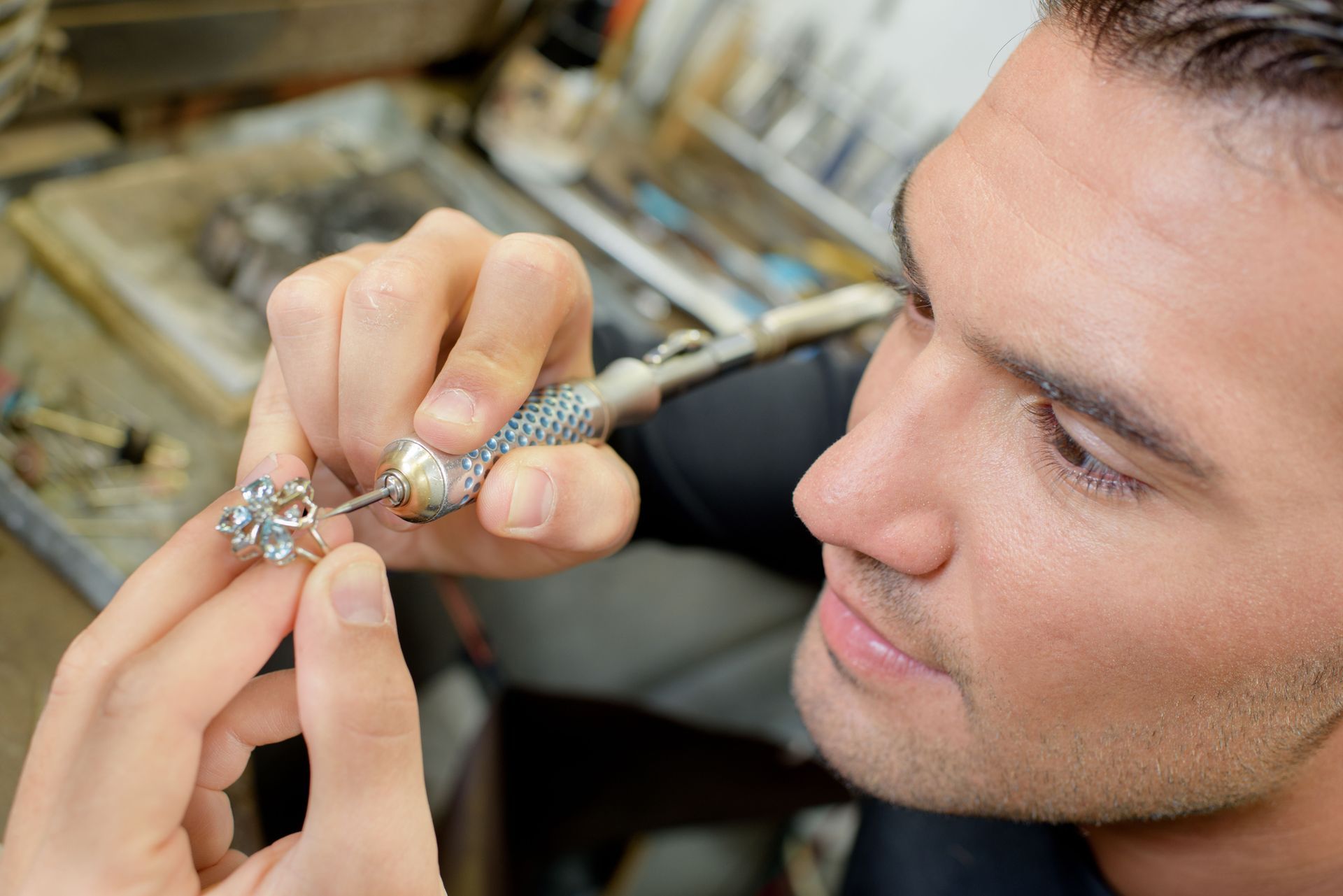
Another way watch repair services are evolving is through the use of improved tools and diagnostic equipment. Repairing a watch requires precision because many timepieces contain small, delicate components that can be affected by improper handling. As manufacturers introduce increasingly intricate movements and case designs, repair professionals must have access to equipment that allows them to work accurately.
Modern diagnostic tools can help technicians identify problems with timekeeping, movement performance, and other mechanical functions. Specialized measuring equipment may also help evaluate accuracy and determine whether a watch requires adjustment or more extensive servicing. These tools can make certain troubleshooting processes more efficient while helping technicians understand the condition of individual components.
Equipment used during cleaning and restoration has also developed. Ultrasonic cleaning systems, for example, can help remove dirt and residue from compatible watch components. Specialized tools allow technicians to handle small parts, open cases, and complete delicate adjustments with greater control. However, the appropriate equipment and procedures depend on the watch's construction and manufacturer recommendations.
Keeping up with changes in repair technology is part of understanding the expectations of today's watch owners. Advanced equipment does not replace the experience required to work on delicate timepieces. Instead, it can complement technical knowledge and established craftsmanship, allowing repair professionals to approach different maintenance challenges with suitable resources.
Responding to New Consumer Preferences
Consumer expectations play a major role in how watch repair businesses operate. Some customers prioritize convenience and quick turnaround times, while others are more concerned with preserving the original condition of a valuable or sentimental timepiece. These different priorities have encouraged repair providers to offer more personalized service and communicate more clearly about available maintenance options.
For example, a customer bringing in a watch for a battery replacement may have different expectations than someone seeking a complete mechanical movement overhaul. Some repairs are relatively straightforward, while others require additional inspection, specialized parts, and considerable labor. Explaining these differences helps customers understand what their watches need and why certain repairs may take longer than others.
The growing interest in vintage and pre-owned watches has also influenced consumer preferences. Older timepieces may have unique movements, discontinued components, or signs of wear that require careful attention. Owners may want to preserve original features rather than replace them with newer components whenever possible. This creates a need for repair approaches that consider the watch's age, construction, and history.
Haddonfield Fine Jewelers operates in a market where these individual customer expectations remain important. Personalized communication can help watch owners understand their options, whether they need routine maintenance or assistance with a more complicated repair. As the industry changes, the ability to address different customer priorities remains an important part of providing watch-related services.
Emphasizing Innovation in Watch Design
Changes in watch repair are closely connected to developments in watch manufacturing. Brands continually introduce new materials, movement designs, case shapes, and functional features to appeal to changing consumer interests. These innovations can influence the types of repairs technicians encounter and the knowledge required to service different models.
According to Ken Research, product innovation accounts for about 68% of the key strategies used by major players in the global watch market. This statistic highlights how important new products and designs are to the industry's competitive landscape. As manufacturers continue introducing updated timepieces, repair professionals must understand how these developments affect maintenance requirements.
For instance, watches may incorporate ceramic cases, sapphire crystal, titanium components, or specialized coatings. Each material has different characteristics and may require specific handling during cleaning, restoration, or component replacement. Similarly, increasingly complex movements can require additional technical knowledge when diagnosing performance problems or completing repairs.
Water resistance is another important consideration. Many modern watches are designed to withstand exposure to water, but their protective seals and gaskets can deteriorate with age. Replacing these components and conducting appropriate water-resistance testing can help maintain the watch's intended functionality. Repair professionals must understand the construction of individual models rather than assuming every timepiece can be serviced using identical procedures.
Understanding the relationship between product innovation and repair requirements is relevant to serving customers with different types of watches. As designs evolve, continued attention to materials, construction, and manufacturer specifications helps ensure that maintenance recommendations reflect the needs of each timepiece.
Supporting Sustainability Through Watch Maintenance
Sustainability has become an increasingly important consideration across many consumer industries, including jewelry and watchmaking. Rather than automatically replacing an item when it stops functioning properly, consumers may consider whether repairing it is a practical alternative. This approach can be particularly meaningful for watches that have sentimental significance or were designed for long-term use.
Routine maintenance can help preserve a watch's functionality and reduce the likelihood of premature replacement. Services such as battery changes, movement cleaning, component adjustments, and strap replacements can address common issues that affect everyday use. When repairs are appropriate, maintaining an existing timepiece may allow its owner to continue using it rather than purchasing another product.
This is especially relevant for mechanical watches, which contain intricate systems of interconnected components. With appropriate servicing, many mechanical timepieces can remain functional for decades. Vintage watches can also carry historical or personal significance, making careful restoration an important consideration for their owners.
Haddonfield Fine Jewelers helps customers understand the maintenance options available for their watches. A professional evaluation can help determine whether a timepiece needs a minor repair, more extensive servicing, or replacement components. Although not every damaged watch can be restored economically, exploring repair options allows consumers to make informed decisions about the items they own.
For Haddonfield Fine Jewelers, understanding these industry developments is important to recognizing the changing needs of today's watch owners. Whether someone owns a modern timepiece or a traditional watch with sentimental value, appropriate maintenance can help preserve its functionality and condition. As the market continues to change, the combination of technical knowledge, careful craftsmanship, and personalized customer service will remain important to the future of
watch repair. Contact us today for more information.